We have been running Google Ads management campaigns for real estate agents since the height of the COVID-19 pandemic. Back then, leads were cheap, competition was manageable, and most brokerages had not even touched paid traffic. It was a gold rush.
Now, the landscape has shifted. The market is more competitive than ever, cost-per-click (CPC) rates have risen, and the days of throwing up a basic ad and getting a hundred leads for five dollars are long gone. Yet, despite these challenges, our system continues to thrive. We still use the exact same framework to drive consistent, high-intent seller and buyer leads sometimes for as little as $13.57 per lead, even in notoriously high-cost markets.
In 2026, it has never been more critical to stand out and convert cold searches into real, profitable conversations. If you are an agent, broker, or marketing team wondering what actually works in today’s fiercely competitive market, this guide will show you how to build a real estate Google Ads system that scales predictably and profitably.
Why Most Real Estate Google Ads Fail (And How to Fix It)
The problem is that too many agents treat Google Ads like a slot machine. They put money in, pull the lever, and hope for a signed contract to pop out. They bid on overly broad keywords, write generic ad copy, and commit the cardinal sin of digital marketing: sending paid traffic directly to their homepage.
When you send a user who searched for "luxury condos in downtown Miami" to a generic homepage that forces them to hunt for the right listings, they will bounce. You just paid for a click that had zero chance of converting.
Google Ads for real estate agents is not about volume; it is about precision, positioning, and persistence. It requires a strategic approach that aligns the user's search intent with a highly relevant ad and a perfectly optimized landing page. When executed correctly, real estate pay-per-click advertising remains one of the most powerful tools for generating bottom-of-the-funnel leads who are ready to transact.
The Hard Numbers: 2026 Google Ads Benchmarks for Real Estate
Before you launch a campaign, you need to understand the financial realities of the platform. In 2026, the benchmarks have shifted significantly as the platform relies more heavily on AI and automation.
According to recent industry data from Expert PPC Services, a healthy click-through rate (CTR) for real estate search campaigns typically falls between 4% and 7%. If your search CTR is consistently below 4%, it is a clear signal that your messaging, keyword alignment, or targeting needs a complete overhaul. Display campaigns, which are primarily used for brand awareness and remarketing, see much lower engagement, usually ranging from 0.8% to 1.2%.
The average cost-per-click (CPC) reflects the price of entry in a fierce market. In 2026, typical CPCs for real estate search traffic range between $3.50 and $5.50. However, in high-value urban markets or for highly competitive terms like “luxury apartments,” these prices can climb significantly higher.
Ultimately, the metric that matters most is your Cost Per Lead (CPL). In 2026, search campaign CPLs typically range from $65 to $170, depending heavily on your market tier and the type of product you are selling
. While this might sound steep compared to the early days of digital marketing, the quality of a Google Search lead is vastly superior to a passive social media lead. These are users actively hunting for a solution.
Looking to grow your Real Estate Business?
Partner with a 5-star team. Book a strategy call to see if DMR Media is the right fit—we work with select teams we know we can win for.

“We handle the digital. You handle the deals.”
Apply TodaySchedule a call or apply directly with a team member — applications reviewed within 48 hours.
The CANS Framework: Our Proven Real Estate Ads System
To navigate these rising costs and ensure a strong return on investment, DMR Media utilizes a proprietary system called the CANS Framework. We are the architects of this system, having refined it through millions of dollars in ad spend. Each phase serves a specific role in the funnel. If you are missing even one of these components, you are actively wasting your marketing budget.
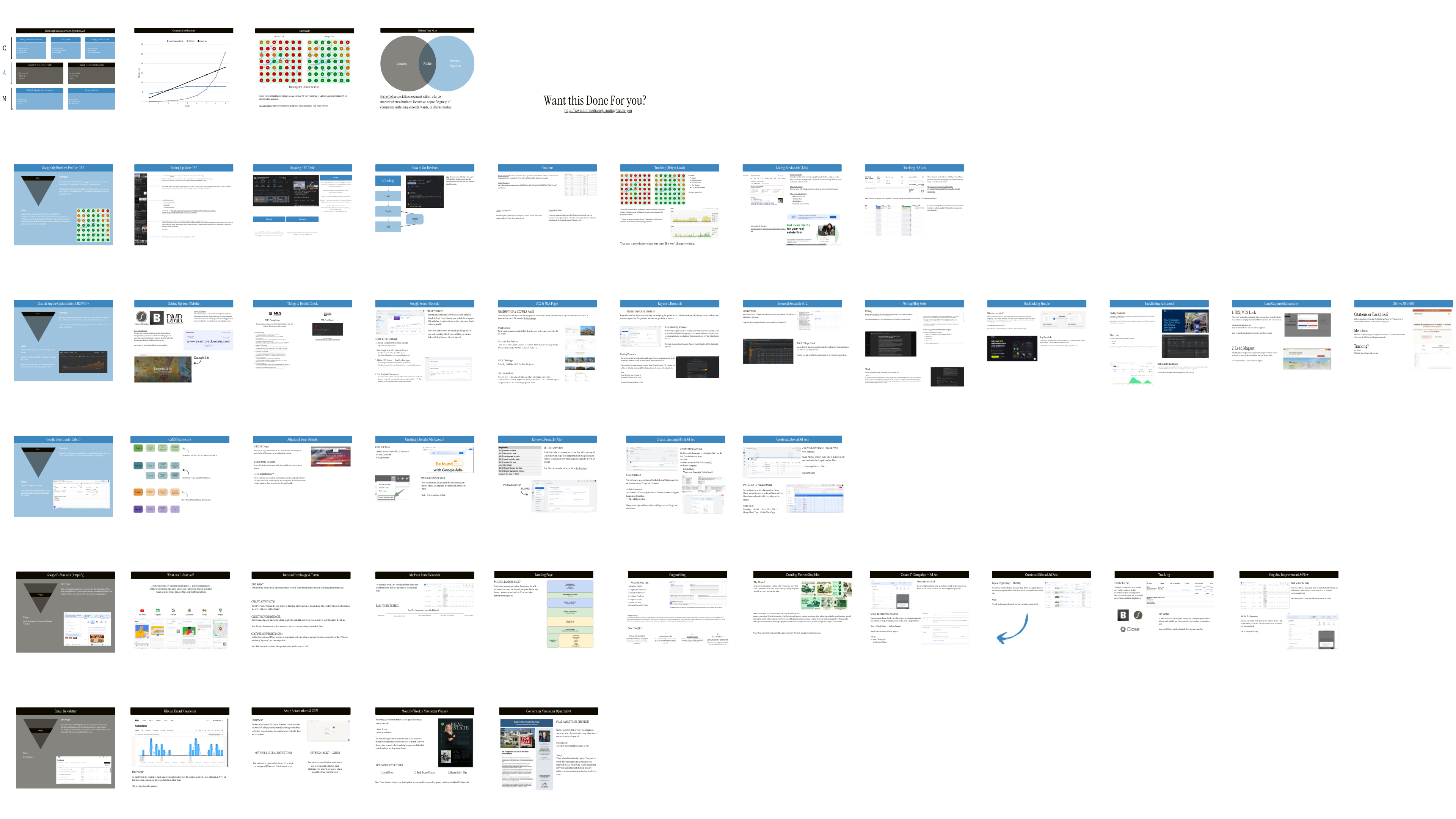
Access here: https://canva.link/cw285kde3i3os6i
C - Catch (Search Campaigns)
Your Catch campaigns are your foundation. These are traditional Google Search ads that target high-intent buyers and sellers who are actively typing queries into Google.
The goal here is to show up when people are already looking. You want to bid on highly specific, long-tail keywords rather than broad terms. For example, instead of bidding on "real estate agent," you should target phrases like "homes for sale in [Your City]" or "[Your City] top listing agent." These keywords signal immediate buying or selling intent.
Your ad copy must be highly specific to the search. If someone searches for homes under $400k, your headline should read, "View All Homes for Sale in [City] Under $400K." This specificity dramatically increases your click-through rate and improves your Quality Score, which lowers your overall costs.
A - Amplify (Performance Max & Retargeting)
Your Amplify campaigns act as your retargeting engine. They remind, reinforce, and re-engage users who clicked on your Catch campaigns but did not immediately convert.
For this phase, we heavily utilize Google's Performance Max (P-Max) campaigns alongside targeted Display and Demand Gen ads. P-Max uses Google's AI to place your ads across its entire ecosystem including YouTube, Gmail, and the Display Network ensuring you stay top-of-mind.
The goal of Amplify is to build trust and reframe your offer. Your ad creatives here should address common pain points and objections. Use headlines like “Struggling to sell your home?” or “First-time buyer overwhelmed?” to speak directly to the user's emotional state.
N - Nurture (Backend Follow-Up)
Generating a lead is only the first step; converting that lead requires a relentless Nurture sequence. Your backend email and SMS follow-up systems must be airtight.
The goal is to turn cold digital leads into hot, real-world conversations. Speed to lead is absolutely critical in real estate. Industry data consistently shows that leads not followed up with in the first five minutes might as well not exist. Your CRM must be configured to trigger an immediate, personalized response the second a lead submits their information.
S - Service (The Client Experience)
The final pillar is your actual Service. While not strictly related to ad configuration, the client experience you deliver is the ultimate conversion tool.
The goal is to deliver exactly what you promised in your ad copy. Great marketing will kill a bad client experience faster than anything else. If your ad promises a seamless, stress-free home valuation, your process must reflect that perfectly. Excellence in service leads to reviews, referrals, and long-term brand equity, which ultimately lowers your cost of acquisition over time.
Top 5 Mistakes Real Estate Agents Make with Google Ads
Even with a strong framework, it is easy to make costly errors. Avoid these common pitfalls to protect your budget:
- Sending Traffic to Your Homepage: This is the most common and expensive mistake. Always send ad traffic to a dedicated, highly relevant landing page that matches the specific promise made in the ad.
- Ignoring Negative Keywords: If you do not actively build a list of negative keywords, you will pay for clicks from people searching for "real estate agent jobs" or "cheap apartments for rent."
- Failing to Track Conversions: Running ads without proper conversion tracking is like flying blind. You must know exactly which keywords and campaigns are driving actual phone calls and form submissions.
- Writing Generic Ad Copy: "We are the best agents in town" does not convert. Use specific numbers, clear benefits, and strong calls-to-action in your ad copy.
- Giving Up Too Early: Google Ads rely heavily on machine learning. It takes time for the algorithm to understand your audience and optimize your bids. Do not panic and shut down a campaign after just one week.
How to Track Your Success: Conversion Tracking Essentials
As mentioned, running ads without tracking is a recipe for disaster. You need complete visibility into what is actually working not just clicks and impressions, but actual conversations, booked appointments, and closed deals.
We strongly recommend setting up Google Tag Manager to track specific events, such as form submissions, click-to-call button presses, and schedule link clicks. You must also link your Google Ads account with Google Analytics 4 (GA4). This integration provides richer attribution data and helps train Google’s machine learning models for better optimization. For more insights on how tracking impacts overall strategy, resources like The Close's real estate advertising guide offer excellent supplementary perspectives.
Furthermore, use UTM parameters in your ad URLs so you can trace leads inside your CRM. If you use tools like Follow Up Boss or KVCore, pipe the lead data into a shared sheet so you can attribute closed deals back to specific campaigns over a long sales cycle. Tracking does not just prove your ROI; it helps you double down on the campaigns that actually move the needle.
For a broader perspective on how Google Ads fits into your overall digital presence, review our guide on search engine marketing for real estate. To see how these principles are applied in a specific market, you can look at the targeted approach taken by Legendary Real Estate Services in Lake Geneva, where understanding local search intent is paramount. Additionally, exploring their comprehensive Lake Geneva real estate listings provides a perfect example of where to send highly targeted, bottom-of-funnel ad traffic.
Stop Wasting Ad Spend and Start Closing Deals: The Eagan Luxury Case Study
The days of cheap, easy leads are behind us, but the opportunity on Google Ads is still massive for those who approach it strategically. It requires a commitment to precision, a deep understanding of user intent, and a flawless backend follow-up system.
If you are tired of wasting money on generic campaigns and want to implement a proven system that mirrors how real buyers and sellers actually move through the process, it is time to upgrade your strategy. At DMR Media, we don't just run ads; we build comprehensive digital systems that drive results.
For example, look at our work with Eagan Luxury Real Estate. They started with zero organic traffic and zero keyword rankings. By implementing our complete system consolidating their brand, building an SEO engine, and layering in targeted Google Search Ads we transformed their business. Their Google Ads generated highly qualified home valuation leads at just $36.93 each. Within the first 30 days of the ads going live, they secured a $1,000,000 listing that sold in a single day. Ultimately, this system helped Eagan Luxury close $11,075,000 in sales volume in Q1 2026 alone.