
When Google shows an AI summary, only 8% of searchers click a regular result. That single number, from Pew Research, changes what a real estate website has to do in 2026.
The real estate website design trends that matter in 2026 are not about flashy effects. They are about speed, trust, and showing up when someone (or an AI assistant) asks who the best agent in your market is. By the end of this post you will know the seven trends worth acting on and how to check your own site in 30 minutes.
What are the top real estate website design trends in 2026?
The top real estate website design trends in 2026 are photography-first minimalist layouts, mobile speed as a ranking factor, pages structured for AI search engines, hyper-local neighborhood pages, video and drone media as the default, built-in lead capture tools like home valuation, and agents owning their own site rather than renting a template.
1. Photography-first minimalism
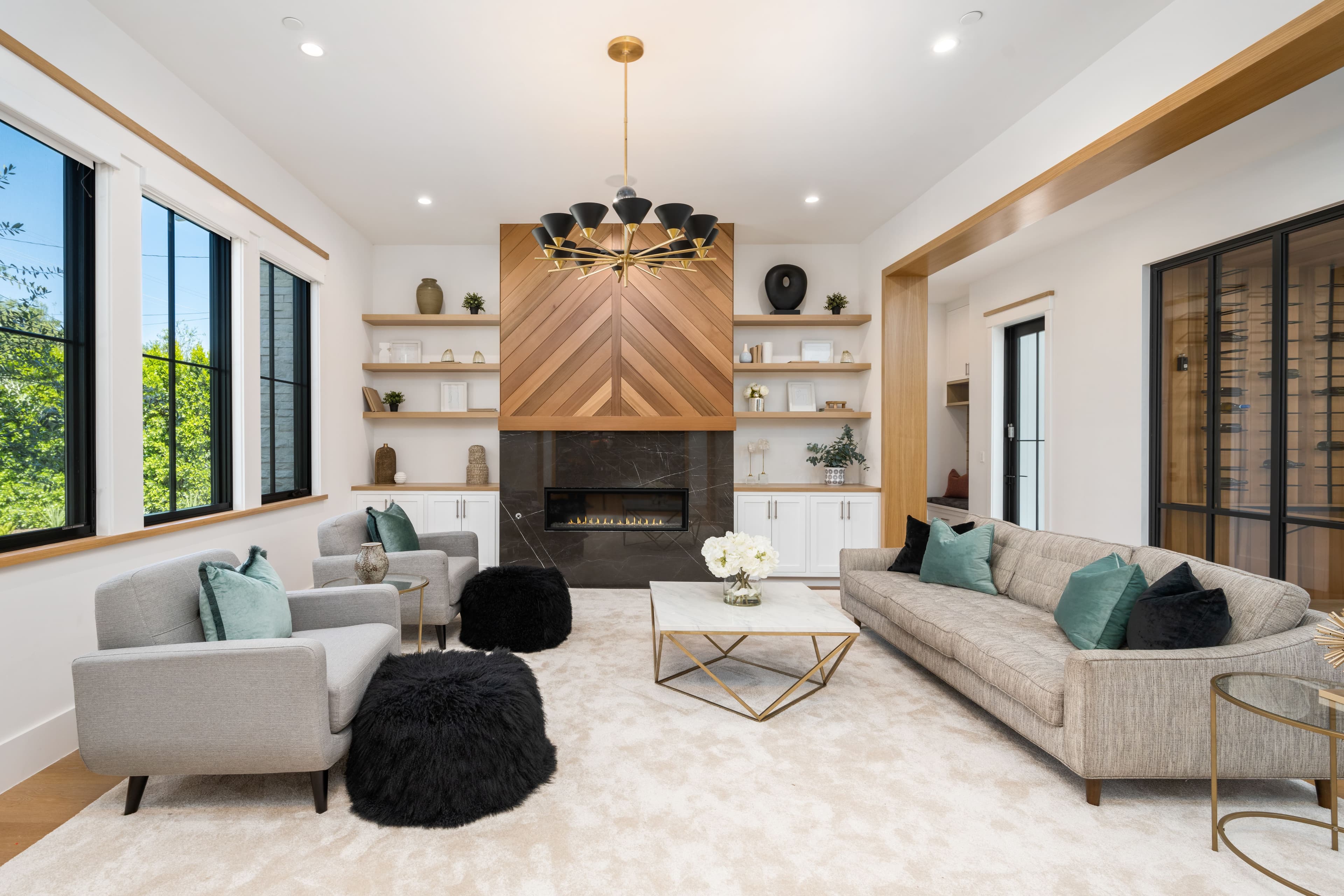
The best luxury real estate websites in 2026 are restrained. Generous white space, one or two typefaces, a muted palette, and photography that fills the screen. The design steps back so the property steps forward.
Design is a trust signal. In a Stanford study of 2,684 people published by Consumer Reports WebWatch, 46.1% of participants judged a site's credibility partly on its visual design, including layout, typography, and color. A cluttered site with stock-photo sliders tells a $3M buyer you are not operating at their level.
Every luxury site we have shipped in the last two years follows this rule. caroletierney.com, a Naples luxury agent site we built that has been nominated multiple times for DesignRush website design awards, is a good example: full-bleed listing photography, clean navigation, and nothing competing for attention.
2. Mobile speed decides who stays
If your site is slow on a phone, buyers leave. According to Think with Google, as mobile page load time goes from one second to ten seconds, the probability of a visitor bouncing rises 123%.
Google also uses page experience signals (Core Web Vitals) in ranking, so a fast site ranks better and converts better. The most common thing we find on an audit is a plugin-heavy template scoring in the 30s on mobile. The fix is compressed images, lazy loading for IDX listing grids, and a modern hosting stack instead of a stack of plugins.
Looking to grow your Real Estate Business?
Partner with a 5-star team. Book a strategy call to see if DMR Media is the right fit—we work with select teams we know we can win for.

“We handle the digital. You handle the deals.”
Apply TodaySchedule a call or apply directly with a team member — applications reviewed within 48 hours.
3. Pages built to be read by AI, not just Google
This is the biggest shift since mobile. Search is changing from ten blue links to AI answers. Pew Research found that when a Google search shows an AI summary, users click a traditional result only 8% of the time, compared to 15% when there is no summary. An Ahrefs study reported by eMarketer measured a 34.5% drop in click-through rate for top-ranking informational pages once AI Overviews appeared.
The agents who win are the ones whose sites get cited inside those AI answers. Design plays a direct role here. AI-ready real estate websites in 2026 include:
- A direct answer in the first two sentences under each heading
- Question-based H2s that match how people actually ask ("How much does it cost to live in Port Royal?")
- FAQ blocks with schema markup
- A real author page with name, brokerage, license, and years in market
- Consistent name, address, and phone across the site and Google Business Profile
This is why SEO and design can no longer be separate projects. If your site is being rebuilt, search optimization should be planned into the structure from day one.
4. Hyper-local neighborhood pages
Zillow and Realtor.com own the broad searches. They do not own "waterfront homes in Aqualane Shores with a boat dock" or "best golf communities in Scottsdale for retirees." You can.
The 2026 version of a neighborhood page is not a paragraph and an IDX feed. It is a small guide: a short intro written by someone who actually sells there, current listings, a price range, a map, a few local details buyers care about (schools, HOA rules, flood zone, commute), and one FAQ block. These are the pages that compete for long-tail searches the portals ignore, and they give AI tools something specific to cite.
5. Video, drone, and 3D tours are the baseline
Per the NAR 2025 REALTORS® Technology Survey, 52% of REALTORS® already use drone photography. It is no longer a differentiator on its own. What separates a top site is how the media is presented: a short hero video that loads fast, listing pages with a 3D tour embedded above the fold, and a community video on each neighborhood page.
The design rule: media should be immersive, but it should never slow the page down. Host video externally, use a poster image, and let the visitor click to play.
6. Built-in lead capture that gives before it asks
A pop-up on page load asks for something before it gives anything. The tools we build into luxury agent sites do the opposite:
- Instant home valuation pages for sellers
- Saved searches and listing alerts for buyers
- A "what's my neighborhood worth" market report by community
- A short, well-placed contact form (not five of them)
Be realistic about where agent leads come from. In the same NAR survey, 12% of REALTORS® said their personal website produced quality leads, and 13% said their brokerage site did. Your site will not replace referrals and sphere. Its job is to convert the people who are already checking you out and to capture the search traffic your neighborhood pages bring in.
7. Own your platform
We are seeing more agents move off rented, templated platforms to sites they control, and the reason is usually the same: when you leave a brokerage or a subscription platform, you often lose the domain authority, the content, and the rankings you spent years building.
An owned site on your own domain, with a modern codebase and a proper IDX integration, is an asset that appreciates. A rented template is a monthly expense that resets to zero the day you cancel. If you are weighing the options, our guide to the best real estate marketing agencies breaks down what full-service partners do differently from software platforms.
How to audit your real estate website in 30 minutes
You do not need a developer to find the biggest problems. Follow these steps:
- Run a speed test. Go to PageSpeed Insights (free from Google), enter your homepage, and check the mobile score. Google rates 0 to 49 as poor and 90 or higher as good. Pass: 90 or higher.
- Open your site on your phone. Can you find listings, your bio, and a phone number in under ten seconds without pinching or zooming? Pass: all three, no zoom.
- Search your own name plus your city. Does your site or a portal page appear first? Check that your name, address, and phone on the site match your Google Business Profile exactly. Then ask ChatGPT or Google "who is the best luxury real estate agent in [your city]" and see if you show up at all.
- Count your neighborhood pages. If you have fewer than five, you are invisible for the long-tail searches your best buyers use.
- Check your about page. Pass: brokerage, license number, years in the market, and recent sales are all listed. AI search engines look for exactly this to decide whether to cite you.
- Write down the three biggest gaps. Speed, mobile layout, AI visibility, neighborhood coverage, or credentials. Fix the cheapest one this week.
Here is an illustrative example of how that plays out: a Naples agent with a five-year-old template site runs this audit. Mobile speed scores 38, the site has two neighborhood pages, and the bio has no license number or sales history. Nothing about the site is broken, but it gives a buyer no reason to trust her over the next agent on Zillow. Those three fixes are where a redesign should start, not with a new color scheme.
Where to start
The real estate website design trends of 2026 all serve one job: your site has to earn trust fast, from a human on a phone and from an AI deciding who to recommend. Clean design, real speed, local depth, and visible credentials do that. Flashy effects do not.
If your site is more than three years old, run the 30-minute audit above. When you are ready to rebuild, see how DMR Media approaches real estate website design for luxury agents and teams, and how we pair it with Google Ads management to keep the right traffic coming in.