If you are a real estate agent who has run Facebook Ads in the last few years, you already know the drill.
You set up a campaign offering a list of homes under $500,000. The leads start rolling in at $5 or $10 a piece. Your CRM is lighting up. You feel like a marketing genius. Then, you start making the calls.
The first lead hangs up on you. The second lead gave a fake number. The third lead says they were "just looking at pictures" and aren't planning to move for another three years. By the time you call the fiftieth lead, you realize you haven't generated potential clients; you've generated a list of window shoppers.
At DMR Media, we hear this story every single week. In fact, it is the exact reason why we do not offer Facebook Ads as a primary lead generation service for real estate agents. We firmly believe that intent must come first in real estate marketing.
If you are tired of chasing people who aren't ready to buy or sell, this guide will explain exactly why Facebook Ads produce browsers instead of buyers, and what you should be doing instead in 2026 to generate high-intent leads.
The Dirty Secret of Facebook Real Estate Leads
The appeal of Facebook Ads is obvious: the leads are cheap. When an agent compares a $15 Facebook lead to an $85 Google lead, the math seems simple. But raw Cost Per Lead (CPL) is the most deceptive metric in digital advertising.
Facebook is an interruption marketing platform. Users log onto Facebook and Instagram to look at photos of their friends, watch videos, and kill time. When your ad appears in their feed, you are interrupting their scrolling. If the picture of the house is pretty enough, they might click it and auto-fill their information just to see the rest of the photos.
They have zero immediate intent to buy or sell a home. They are simply curious.
This lack of intent creates a massive problem for agents. The industry average nurture cycle for a Facebook real estate lead is 12 to 18 months. Unless you have a world-class, automated follow-up system and the patience to call someone for a year and a half, those cheap leads are entirely worthless.
Looking to grow your Real Estate Business?
Partner with a 5-star team. Book a strategy call to see if DMR Media is the right fit—we work with select teams we know we can win for.

“We handle the digital. You handle the deals.”
Apply TodaySchedule a call or apply directly with a team member — applications reviewed within 48 hours.
The Hard Data: Facebook vs. Google Ads in 2026
Let's look at the actual numbers for 2026. Recent benchmark data from Stackmatix reveals a stark contrast between Facebook and Google when you factor in the actual close rate. While the average Facebook Ads CPL for real estate sits between $10 and $35, the lead-to-customer conversion rate is a dismal 2% to 5%. Conversely, Google Ads for real estate command a higher CPL of $40 to $85, but they boast a lead-to-customer conversion rate of 5% to 10%.
Let's do the math on a hypothetical campaign:
If you generate 100 Facebook leads at $25 each, you spend $2,500. At a generous 3% close rate, you close 3 deals. Your actual Cost Per Acquisition (CPA) is $833.
If you generate 100 Google leads at $75 each, you spend $7,500. Because these leads have high intent, you close at an 8% rate, resulting in 8 deals. Your Cost Per Acquisition (CPA) is $937.
While the CPA is slightly higher on Google, you are generating nearly three times the revenue for your time spent following up. More importantly, you aren't wasting hours calling 97 people who have no intention of moving. You are having real conversations with active buyers and sellers. This is why real estate pay-per-click advertising on search engines is vastly superior for immediate ROI.
Browsers vs. Buyers: The Intent Problem
The fundamental difference between Facebook and Google is intent.
When someone goes to Google and types "realtor near me to sell my house" or "homes for sale in [City] with a pool," they are actively raising their hand. They have a problem, and they are searching for a solution right now.
When someone clicks a Facebook ad, they are passively consuming content. We call these users "browsers." They like looking at real estate. They might even want to move someday. But they are not buyers.
At DMR Media, we build systems designed to capture buyers. If you want to see how this intent-based strategy works in practice, look at how top-producing teams like Legendary Real Estate Services in Lake Geneva structure their digital presence to capture active searchers, rather than passive scrollers.
The CANS Framework: Why Facebook Fails the First Test
To understand why we abandoned Facebook Ads for primary lead generation, you have to look at our proprietary CANS Framework, which we use to build all of our successful campaigns.
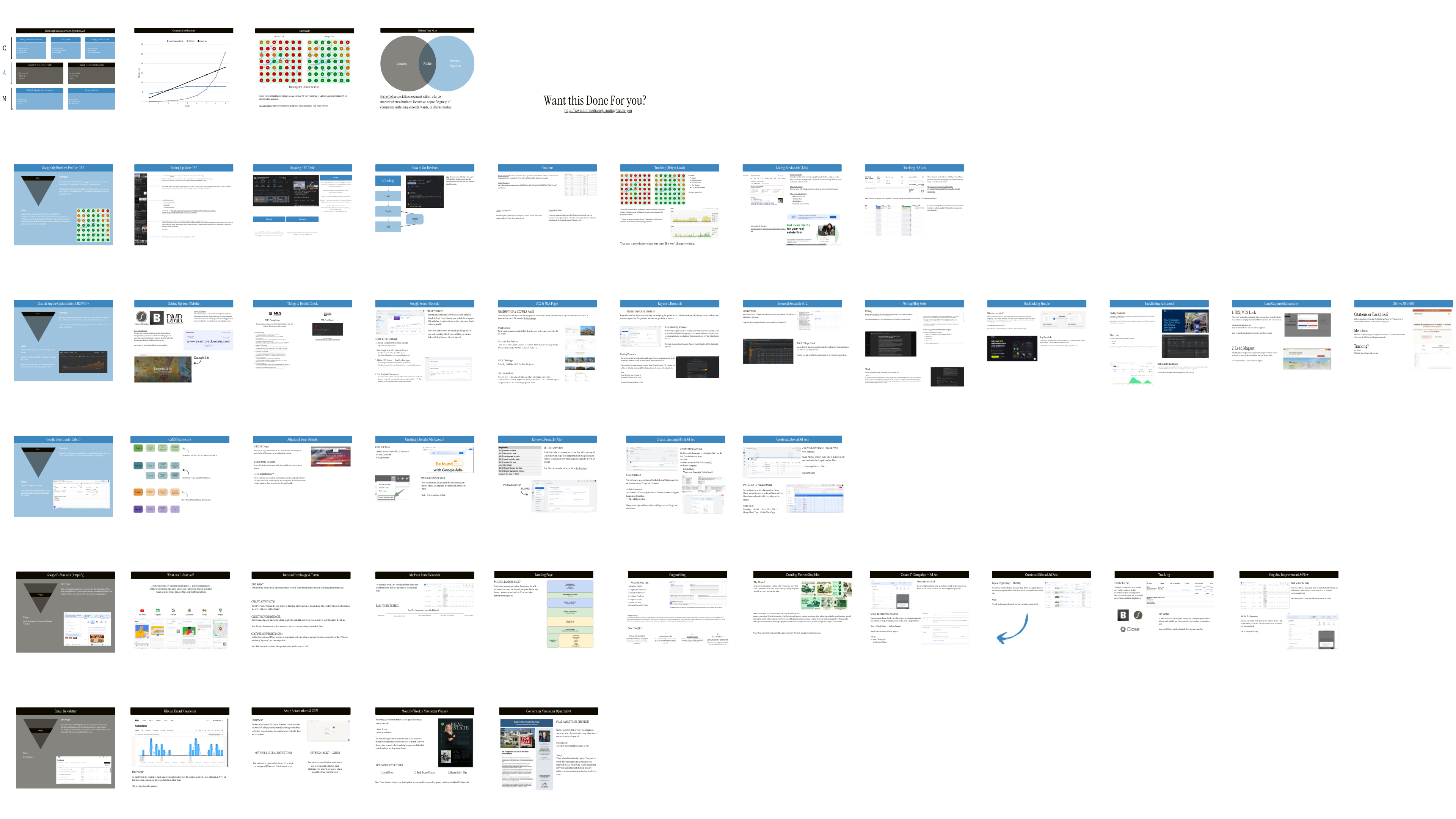
C - Catch (Why Facebook Can't Catch Intent)
The first step of our framework is to "Catch" high-intent traffic. Facebook fundamentally fails this test. You cannot catch intent on a platform where users are not actively searching. Facebook is a billboard on a highway; Google is the Yellow Pages. If you want to catch someone who needs a plumber right now, you don't buy a billboard. You make sure you are the first result when they search for one.
A - Amplify (Where Facebook Actually Belongs)
This is the one area where Facebook and Instagram excel. Once we have captured a high-intent lead via Google Search or organic SEO, we use the "Amplify" stage to retarget them. If you want to learn more about utilizing social media effectively, read our guide on Instagram and real estate. We use Facebook's Custom Audiences to show our clients' ads to people who have already visited their website. This builds brand authority and trust, turning Facebook into a powerful nurturing tool rather than a cold lead generator.
N - Nurture (The 12-Month Facebook Nurture Cycle)
The "Nurture" phase is where Facebook leads go to die. Because Facebook leads are so early in the buying cycle, they require 12 to 18 months of aggressive nurturing. Most real estate agents simply do not have the infrastructure, the staff, or the patience to execute a 50-touch follow-up campaign over a year and a half. Google leads, conversely, are often ready to transact within 30 to 60 days.
S - Service (The Ultimate Conversion Tool)
The final step is Service. You can provide the best service in the world, but if the lead you are talking to has no money, no pre-approval, and no desire to move, your service doesn't matter. Facebook fills your pipeline with people who cannot utilize your service.
When Should a Real Estate Agent Use Facebook Ads?
We are not saying Facebook Ads are entirely useless. They are just useless for primary, cold lead generation if you value your time.
You should use Facebook Ads for:
- Retargeting: Showing ads to people who have already visited your website via Google Search or organic SEO.
- Database Marketing: Uploading your past client and sphere of influence (SOI) email list to Facebook to stay top-of-mind.
- Brand Awareness: Promoting a high-end luxury listing to a specific zip code to show the neighborhood that you are the dominant listing agent.
If you are using Facebook for anything other than these three strategies, you are likely burning money.
Stop Chasing Browsers. Start Closing Buyers.
The real estate industry has been sold a lie that cheap leads equal a profitable business. They don't. Cheap leads equal hundreds of hours wasted on the phone with people who have no intention of hiring you.
If you are tired of the Facebook Ads hamster wheel and want to transition to an intent-based marketing system that actually generates revenue, you need to align yourself with the best real estate PPC agencies that understand the difference between a browser and a buyer.
At DMR Media, we build Google Ads and SEO systems designed specifically to capture high-intent traffic. We don't sell you cheap clicks; we build a pipeline of active buyers and sellers. If you are ready to stop chasing browsers and start closing buyers, it is time to upgrade your strategy.