

You sent 2,000 postcards last year. You got two calls, and one was a guy asking you to stop.
Here's the problem. Most agents treat farming like a mail campaign. It isn't. Learning how to farm a neighborhood in real estate is really learning how to become the one name a homeowner thinks of when it's time to sell. That matters more than ever. According to NAR's 2025 Profile of Home Buyers and Sellers, 66% of sellers hired an agent who was referred to them or one they'd used before, and 80% contacted only one agent before hiring.
One agent. That's the whole game.
By the end of this playbook you'll know how to pick a farm with real data (and stay on the right side of Fair Housing law), what to do each month for six months, what it costs, and how to tell if it's working.
What Is Real Estate Farming?
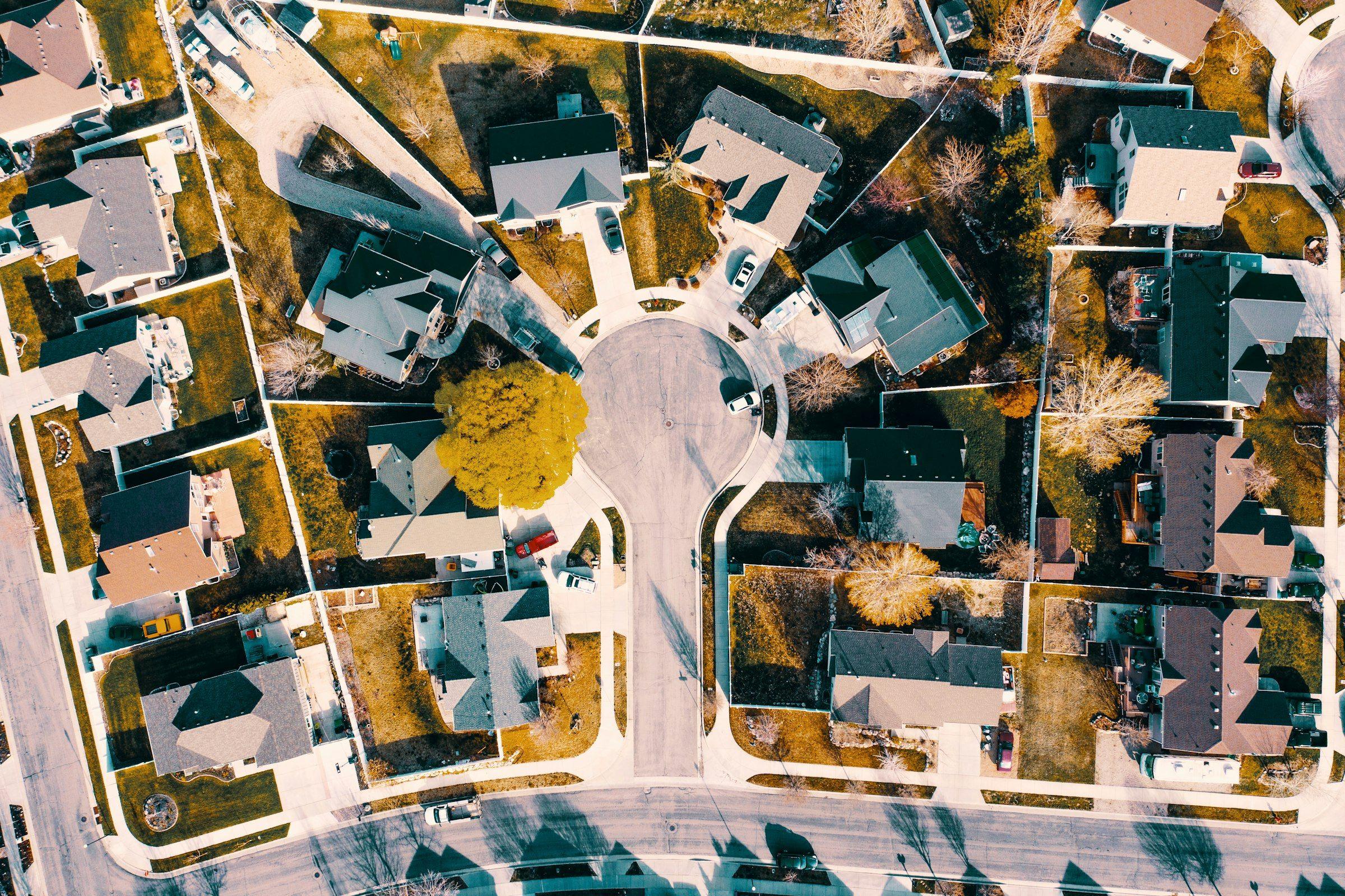
Real estate farming is a marketing strategy where an agent picks one defined area, usually 300 to 1,000 homes, and markets to it consistently for years. The goal is simple: become the known local expert, so homeowners call you first when they're ready to sell. It's also called geographic farming or geo farming.
There's also "hybrid farming," where you combine a geographic farm with a group of people you already know, like your sphere of influence. More on that below.
Does Real Estate Farming Still Work in 2026?
Yes, but the math is tighter than it used to be, so your farm choice matters more.
Two numbers explain why:
- Fewer homes are selling. Existing-home sales totaled 4.06 million in 2025, matching the lowest level since 1995, per NAR data reported by the National Association of Home Builders.
- Owners are staying put longer. Redfin found the typical U.S. homeowner now keeps their house for 12 years, up from 6.5 years in 2005. It ranges from 20 years in Los Angeles to 8.3 years in Louisville.
So each street produces fewer sellers. That's exactly why farming works when it's done right. When only a handful of homes sell in a neighborhood each year, the agent who has been showing up every month for two years wins most of them.
Here's the honest part. NAR's 2025 data, broken down by BAM, shows only 2% of sellers hired an agent because of direct mail, and 5% because of direct personal outreach. Mail alone doesn't win listings. Mail plus events plus a strong neighborhood page plus local ads plus real relationships builds the reputation that turns into referrals. That's farming.
Looking to grow your Real Estate Business?
Partner with a 5-star team. Book a strategy call to see if DMR Media is the right fit—we work with select teams we know we can win for.

“We handle the digital. You handle the deals.”
Apply TodaySchedule a call or apply directly with a team member — applications reviewed within 48 hours.
How to Pick a Farm Area (the Fair Housing Way)
This is the most important decision in the whole plan. Get it wrong and you'll spend a year mailing a neighborhood where nobody moves.
The rule: pick your farm by turnover rate, price band and property type. Never by who lives there.
Choosing or skipping an area because of the race, religion, national origin, family status, disability or sex of the people living there is a Fair Housing problem. So is drawing your farm boundary to leave certain streets out for those reasons. HUD's advertising guidance under the Fair Housing Act covers real estate ads, and NAR notes the law's definition of advertising is broad, covering mailers, online ads, brochures and even speech. Stick to housing data and you'll never have to think twice.
Score each candidate neighborhood on these five factors:
- Turnover rate. Count sales in the last 12 months and divide by total homes. A 450-home area with 27 sales has a 6% turnover rate. Our working rule at DMR: aim for 5% or higher. Below 3%, you're waiting on too few sellers.
- Price band. Median sale price times your commission split equals what one listing is worth. A higher price band means fewer wins are needed to pay for the farm.
- Property type. Single-family homes, condos, townhomes and golf or waterfront homes each have their own sellers and their own reasons to move. Pick one type so your message stays sharp.
- Competition. Pull the last 24 months of listings. If one agent holds a big share of them, you'll be fighting for scraps. Look for areas where listings are spread across many agents.
- Your edge. Do you live there, have past clients there, or know the homes well? Real local knowledge shows up in every piece of content you create.
| Factor | What to look for | Red flag |
|---|---|---|
| Turnover rate | 5% or higher | Under 3% |
| Price band | One listing pays for a year of farming | Commission too small to cover the budget |
| Property type | One main type (single-family, condo, golf, waterfront) | A mix that blurs your message |
| Competition | Listings spread across many agents | One agent holds a large share |
| Your edge | You live there, sold there, or know the homes | No real local connection |
How many homes should be in your farm?
Start with what you can afford to touch at least monthly. For most solo agents that's 300 to 600 homes. Teams can go bigger. A 400-home farm you mail every month beats a 2,000-home farm you mail twice a year.
How to Farm a Neighborhood in Real Estate: The 6-Month Plan
Below is the month-by-month plan. Six months is enough to launch and to read early signals. It is not enough to judge the whole farm. Plan on 12 to 24 months of steady effort before listings come in on a regular basis, and set your budget for the long haul.
Month 1: Build the foundation
- Pull the data. Get 24 months of sold, active and expired listings from your MLS. Note median price, days on market and turnover.
- Build your list. Use county property tax records or a list provider to get owner names and mailing addresses. Flag absentee owners, since they often sell for different reasons.
- Build your neighborhood page. This is the home base for everything you send. Include recent sales, schools, amenities, a market snapshot and a home value request form. Follow our guide on neighborhood guide pages built for AI search so it shows up in Google and in AI answers.
- Set up your CRM. Tag every farm contact so you can track touches and responses.
- Set your budget. Commit to a monthly number for six months. No skipping.
Month 2: Launch with value, not a sales pitch
- First mailer: a market report. Show real neighborhood numbers: what sold, for how much, and how fast. Point people to your neighborhood page for the full picture.
- Postage math. USPS Every Door Direct Mail (EDDM) lets you mail every address on a carrier route without a mailing list. Retail EDDM postage rose to $0.260 per piece on July 12, 2026. For a 500-home farm, that's $130 in postage per drop, plus printing.
- Door-knock or "pop-by." Walk part of the farm with a useful leave-behind, like a local vendor list or a recent-sales sheet.
- Claim your Google Business Profile and add posts about the neighborhood.
Month 3: Become useful
- Just Sold and Just Listed cards. Even if the sale was someone else's, you can share market results (with your broker's approval and your MLS's rules).
- Offer a free home value report. This is the main lead driver for most farms. Link it straight to your neighborhood page form.
- Plan one small event. A shred day, a coffee truck, a pie giveaway before Thanksgiving. Events turn names into faces.
Month 4: Add the digital layer
- Hyper-local Google Ads. Run search ads for "[neighborhood name] homes for sale" and "[neighborhood name] home value." These people are raising their hand. See how DMR handles hyper-local Google Ads for agents.
- Know the targeting rules. Google's housing ad policy says that in the U.S. and Canada you can't target audiences by gender, age, parental status, marital status or ZIP code. Target by city or radius and by search terms instead. Your keywords do the local work.
- Retarget visitors to your neighborhood page so your name follows them around.
Month 5: Connect your farm to your people
- Overlap your sphere. Find past clients, friends and vendors who live in or near the farm. They're your warmest door-openers. Our guide to SOI real estate walks through how to work that list.
- Sponsor something local. A youth sports team, a park cleanup, a school fundraiser.
- Ask for introductions. "Know anyone on Maple who's thinking about moving?" is a fair question once you've been useful for months.
Month 6: Measure and decide
Look at what happened, not how you feel about it. Use the tracking list in the next section. Then decide: stay the course, change your message, or (rarely) move to a better farm.
What to Track (and What "Working" Looks Like)
Listings are a lagging signal. Track the leading ones too:
- Home value report requests from the farm
- Calls, texts and emails that mention a mailer, event or ad
- Neighborhood page visits and time on page
- Event sign-ups and attendance
- Listing appointments from farm addresses
- Your share of farm listings, compared to your starting point
If requests and page visits are climbing by month six, the farm is warming up, even with zero listings yet.
A Farming Scenario: Picking Between Two Neighborhoods
Consider an agent choosing between two neighborhoods. This is an illustrative example, not a real client.
| Neighborhood A | Neighborhood B | |
|---|---|---|
| Homes | 420 single-family | 610 mixed homes and condos |
| Sales, last 12 months | 22 | 18 |
| Turnover rate | 5.2% | 3.0% |
| Median sale price | $1.4M | $950K |
| Top agent's share of listings | 14% | 40% |
Neighborhood B looks bigger, but fewer people move, one agent already owns a big share, and the mix of property types makes the message fuzzy. Neighborhood A wins on turnover, price band and competition.
Now the money. Say she budgets $1,000 a month for mail, printing, events and ads, which is $12,000 a year. One $1.4M listing at a 2.5% listing-side commission is $35,000 gross commission before her broker split. One listing covers the farm almost three times over. Two listings in year one and the farm is clearly profitable. Zero listings in year one is also possible, which is why she commits to 24 months before judging.
The choice was made only on housing data. Who lives in either neighborhood never came into it.
Real Estate Farming Ideas That Earn Attention
Fresh real estate farming ideas keep your touches from feeling like junk mail:
- Quarterly neighborhood market report with real local numbers
- "What's my home worth?" offer tied to your neighborhood page
- Local vendor guide (plumbers, roofers, landscapers you trust)
- Seasonal home checklists like winter prep or spring curb appeal
- Neighborhood history mailer with old photos from the local library or historical society
- Shred day or coffee morning at a local park
- Pumpkin or pie giveaway around the holidays
- Short neighborhood video tours for your page and social channels
- "Coming soon" previews (within your MLS rules) that give neighbors first look
- Property tax appeal reminders when assessment notices go out
Common Farming Mistakes
- Quitting at month four. The farm hasn't had time to work yet.
- Picking the farm by feel. Use turnover, price band and property type. Always.
- All mail, no digital. Homeowners Google you after the postcard lands. Give them a strong page to find.
- Selling in every touch. Lead with value. The ask comes later.
- Skipping Fair Housing review. Have every mailer and ad checked before it goes out.
The Bottom Line
Knowing how to farm a neighborhood in real estate comes down to three things. Pick the farm with real housing data, not a hunch, and never based on who lives there. Show up every month with something useful. Back the mail with a strong neighborhood page and hyper-local ads so homeowners find you when they search.
Volume negates luck. Six months gets the farm planted. Twelve to twenty-four months is when it pays.
Want help building the digital side of your farm? DMR Media builds neighborhood pages and hyper-local Google Ads campaigns for luxury agents and teams. Book a strategy call and we'll look at your target area with you.
Frequently Asked Questions
Topics
- real estate farming
- how to farm a neighborhood in real estate
- geographic farming real estate
- real estate farming ideas
- listing lead generation